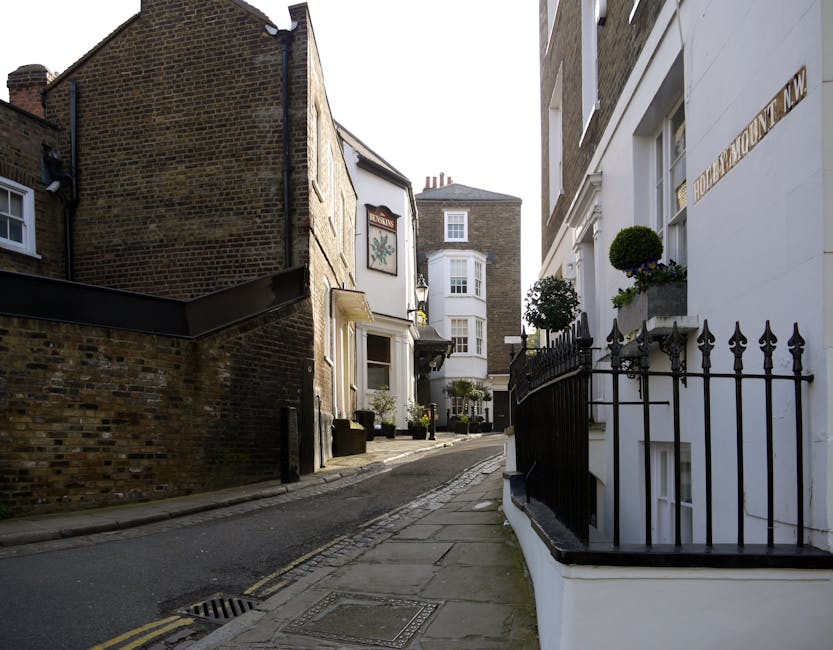
Balham High Road removals advice for narrow access
Moving on Balham High Road can feel straightforward on paper, then suddenly become a bit of a squeeze in real life. Tight front steps, slim hallways, parked cars, short loading windows, and awkward corners can all turn a normal house move into a careful game of timing and judgement. That is exactly why Balham High Road removals advice for narrow access matters: it helps you plan for the space you actually have, not the space you wish you had.
Whether you are moving from a flat above a shop, a period terrace with a narrow staircase, or a property where the van cannot sit right outside the door, the right approach saves time, stress, and a few bruised knuckles. This guide walks you through the practical side of narrow-access removals, from assessing the route to choosing the right vehicle, packing method, and loading plan. No fluff. Just the stuff that tends to make the difference on moving day.
Why Balham High Road removals advice for narrow access Matters
Balham High Road is busy, lived-in, and often tight for loading. That simple fact changes everything. A move that would be routine on a wide suburban street can get complicated very quickly when the van has limited stopping space, pavement access is awkward, or neighbours are already parked nose-to-tail along the road. Add stairs that twist, doorways that seem to shrink once a sofa arrives, and the usual London rush, and you can see why careful planning is not optional.
Narrow access affects more than just convenience. It changes how movers carry items, how long loading takes, whether furniture needs dismantling, and what size vehicle can realistically be used. It can also affect safety. A rushed lift through a tight hallway is when handles catch walls, mirrors crack, and people strain backs. To be fair, most problems in narrow-access moves are predictable if you know what to look for. That is the good news.
For local households and businesses, the aim is not to force a "normal" move through abnormal conditions. The aim is to adapt the move to the property. That might mean a smaller vehicle, staggered loading, more carry distance, extra protective materials, or a different time slot. If you want a broader sense of the moving options available, our removals and man and van pages explain the service styles that often suit tighter access.
How Balham High Road removals advice for narrow access Works
Narrow-access removals work best when you think in stages rather than in one big leap. First comes assessment, then vehicle choice, then packing and protection, then the actual load-out. Each stage has its own small risks, and each one can be managed if you plan ahead.
In practical terms, a mover will usually want to know:
- how far the vehicle can park from the front door
- whether there are stairs, tight turns, or narrow landings
- if large items can be dismantled before the move
- whether parking restrictions or busy traffic windows could delay loading
- what the heaviest and most awkward items are
That information helps determine whether the job is best handled with a compact van, a larger moving van, or a different load plan altogether. A smaller vehicle can be surprisingly effective in this part of Balham because it is easier to position, easier to reverse safely, and less likely to block the road while everyone stands around wondering where the next car came from. We have all seen that scene.
For some moves, it is also sensible to separate the job into two routes: one for delicate household items and one for bulky furniture. If you are moving a home rather than a single item, home moves support usually gives you a better fit for that kind of staged planning. Businesses with limited loading space may find the same logic helpful for office removals.
Key Benefits and Practical Advantages
Good narrow-access planning is not just about avoiding disaster. It creates real advantages that you will notice on the day.
- Less delay: A clear plan reduces the back-and-forth that eats time.
- Lower damage risk: Proper protection and better carrying routes reduce knocks and scrapes.
- Better vehicle fit: The right van saves parking stress and makes access easier.
- Safer lifting: Fewer awkward carries means less strain for everyone involved.
- Cleaner loading: Well-packed items stack more efficiently and move more smoothly.
There is also a psychological benefit, which is easy to overlook. When people know the plan, the move feels calmer. Doors stop swinging open and shut, boxes stop piling up in the wrong place, and everyone is less likely to hover in the hallway asking what happens next. That calm matters. A lot, actually.
For fragile or bulky furniture, a service that includes disassembly, protective wrapping, and careful reassembly can make narrow access much less painful. If that sounds like the level of support you need, take a look at packing and unpacking services as part of a more coordinated move.
Who This Is For and When It Makes Sense
This advice is most useful if any part of your move has a tight approach, a narrow doorway, a difficult staircase, or restricted roadside parking. In Balham, that often means:
- top-floor flats with narrow internal stairs
- period properties with compact hallways
- houses on busy roads where curbside loading is limited
- shared buildings with awkward entry points
- small business units with minimal loading space
- customers moving bulky items such as wardrobes, sofas, or beds
It also makes sense if you are moving on a tight schedule and cannot afford trial and error. Maybe the keys are handed over at noon. Maybe the building only allows certain access times. Maybe you are balancing a move with childcare, work, or a train home later that evening. In those situations, planning for narrow access is not overcaution; it is common sense.
If you are comparing service levels, browsing movers or man with van options can help you judge which setup is most realistic for a property with difficult access. The cheapest option is not always the cheapest by the end of the day. Funny how that works.
Step-by-Step Guidance
Here is a practical way to approach a narrow-access move without letting it get messy.
- Measure the problem areas. Check stair width, doorway clearance, turning space, and any low ceilings or tight corners.
- Assess the parking situation. Look at how close a van can get to the property and whether it will need to wait elsewhere between loads.
- List the awkward items first. Sofas, mattresses, wardrobes, white goods, and anything glass or oversized should be identified early.
- Decide what should be dismantled. Flat-pack furniture, bed frames, and some shelving units are usually easier in parts.
- Choose suitable packing materials. Use blankets, wrap, labels, and sturdy boxes so items can be carried more confidently.
- Set the order of loading. Heavy and awkward items usually go in first, with fragile items secured away from pressure points.
- Protect the route. Door frames, bannisters, and corners are the usual trouble spots, so pad them before the carry starts.
- Build in extra time. Narrow access nearly always slows things down a little. Plan for it and you will feel less rushed.
One simple but useful habit: walk the route from the van to the room with a critical eye. Stand at the doorway and imagine turning a mattress corner-first, or carrying a washing machine without scraping the wall. If that sounds tight, it probably is. Better to know before the van arrives.
Expert Tips for Better Results
A few small choices can improve a narrow-access move dramatically.
Use a smaller vehicle when access is tight
It sounds obvious, but people often book a larger van because they want to finish in one trip. On roads like Balham High Road, a more manoeuvrable vehicle can reduce stress and save time overall. If you need flexibility, a removal van or moving van may be a better fit than something oversized.
Stage the move by room
Loading one room at a time keeps the hallway clear and avoids the classic pile-up where everyone starts speaking in half-sentences and nobody can find the kettle. It also makes inventory checks easier.
Keep fast access items separate
Put keys, documents, chargers, toiletries, and one-night essentials in a bag you can reach quickly. In narrow-access moves, the last thing you want is to unpack every box just to find the phone charger. Been there, regretted that.
Confirm loading arrangements early
If a building has shared access, buzzer entry, or time limits, clarify them before moving day. Small misunderstandings become big delays once a van is already parked and the clock is ticking.
Choose protection over speed
A clean blanket wrap and a careful turn around a corner are worth more than a rushed lift. Minor delays are annoying; damaged furniture is worse.
Common Mistakes to Avoid
Most narrow-access moving problems come from a few avoidable mistakes.
- Underestimating access restrictions: A front door that looks fine from the pavement may not be fine for a wardrobe.
- Not measuring furniture: Guessing is how people end up trying to angle a sofa through a staircase that clearly says no.
- Leaving dismantling until the last minute: This causes delays and often leads to rushed, careless work.
- Overpacking boxes: Heavy boxes are harder to carry through tight spaces and more likely to split.
- Ignoring parking limits: If the van cannot stop safely, the move slows down immediately.
- Forgetting building rules: Some flats and commercial spaces have booking rules, lift restrictions, or managed access windows.
Another common one: assuming every mover will handle narrow access in exactly the same way. They will not. Some jobs need compact vehicles and a very careful carry plan; others need team lifting or more time. If your move is especially tight, it is worth checking service details and expectations through removal services or the broader removal company information available on the site.
Tools, Resources and Recommendations
You do not need a warehouse full of gear to manage a narrow-access move, but the right basics help a lot.
| Item | Why it helps | Best use in narrow access |
|---|---|---|
| Furniture blankets | Protects wood, paint, and upholstery | Corners, bannisters, and door frames |
| Stretch wrap | Keeps drawers and loose parts secure | Wardrobes, chests, and mattresses |
| Label stickers | Speeds room-by-room unloading | Flat moves, shared houses, and offices |
| Tough tape | Seals boxes and reinforces weak points | Heavy items and mixed loads |
| Measuring tape | Confirms clearance before lifting | Stairs, doors, and tricky furniture |
A few other recommendations are worth keeping in mind. Keep a torch handy if you are moving in the evening, especially in basement or stairwell areas that do not get much light. Have gloves ready for grip. And if the move includes bulky one-off items rather than a whole property, furniture pick up can be a sensible route to avoid making the problem bigger than it needs to be.
If you are weighing up whether to do it yourself or use a smaller support service, removals near me is useful as a starting point for comparison, while man with a van is often the kind of setup people choose for tighter, more flexible moves.
Law, Compliance, Standards, or Best Practice
For a move like this, the key thing is not to get lost in legal jargon. The practical side matters more. In the UK, moving work should be carried out with a sensible approach to safety, safe lifting, load securing, and parking compliance. That means no blocking emergency access, no unsafe unloading, and no forcing staff or residents into risky carries just to save a few minutes.
Where applicable, a mover should also consider public access, shared building rules, and any local parking restrictions. In real terms, that means planning the parking before the van arrives and checking if the property needs a specific access arrangement. If a building manager or concierge is involved, a quick confirmation call can spare you a lot of hassle.
Good practice also includes proper insurance, careful handling of fragile items, and honest communication about access limitations. If a job looks more complex than standard, it is better to say so early than to pretend it will all work itself out. It rarely does, truth be told.
For readers who want reassurance around trust and handling standards, the website's insurance and safety information, plus the health and safety policy, are sensible places to understand how safety-minded removals are approached. Payment confidence is also part of the picture, so payment and security can be useful if you are comparing providers carefully.
Options and Comparison Table
Different moving setups suit different levels of access. The table below gives a simple comparison, not a hard rule. Real properties vary, and narrow access is rarely black and white.
| Option | Best for | Strengths | Watch-outs |
|---|---|---|---|
| Small van / compact load | Very tight roads and limited parking | Easy to position, flexible, less road obstruction | May need more trips if the load is large |
| Standard moving van | Moderate access with a manageable carry distance | Balanced capacity and manoeuvrability | Needs careful parking and route planning |
| Man and van support | Smaller moves, flats, and mixed items | Flexible, often well suited to awkward access | May not suit very large household moves |
| Full removals team | Larger homes, heavier items, complex jobs | More hands, more structure, better for bulky furniture | Needs clearer planning and access information |
For some customers, the question is less about size and more about service style. If you want more help with packing, lifting, and the overall move, house removals or house movers may be more suitable than a lighter-touch option. Offices, meanwhile, often do better with more structured support such as office relocation services.
Case Study or Real-World Example
Picture a typical Balham High Road flat move. The property is on the first floor above a shop, the staircase turns sharply halfway up, and parking outside is busy by mid-morning. A sofa bed, two wardrobes, a washing machine, and a stack of boxes need to come down without damaging the walls or losing the loading space.
In a move like this, the sensible approach would usually be:
- send the smaller vehicle in first so it can park as close as possible
- remove wardrobe doors and bed parts before the carry begins
- wrap the sofa bed in blankets to protect both corners and fabric
- move fragile boxes separately, not mixed with heavy furniture
- keep a clear walkway between the door and the van
The most noticeable improvement in these situations is not usually speed, interestingly. It is control. Once the route is clear and the items are prepared properly, everyone stops improvising. The whole thing feels less like a scramble and more like a move. Which, frankly, is what you wanted in the first place.
If you are moving with mixed furniture, awkward items, or a property that just does not have generous access, a more tailored removal setup can make the day much smoother. That is the part many people only appreciate after the fact.
Practical Checklist
Use this checklist the day before the move, or even earlier if access is especially tight.
- Measure doorways, stairs, and any tight corners
- Confirm where the van can park and how long it can stay there
- Identify every bulky or fragile item
- Dismantle furniture where possible
- Pack boxes evenly and avoid overfilling them
- Label boxes by room and priority
- Protect floors, bannisters, and door frames
- Keep essentials separate for easy access
- Tell everyone involved about access restrictions
- Allow extra time for loading and unloading
Quick expert summary: if access is narrow, the winning formula is simple: smaller vehicle, better packing, clearer route, calmer pace. That combination beats brute force nearly every time.
Conclusion
Balham High Road removals advice for narrow access is really about one thing: making the move fit the street, the property, and the reality of the day. When you measure properly, choose the right vehicle, protect the route, and avoid rushed lifting, the whole move becomes safer and far less stressful.
That is the big takeaway. Narrow access is not a deal-breaker. It just asks for better planning. And once you have that sorted, the move starts to feel manageable again, even if the stairwell is a bit tight and the van is parked half a street away. The work still gets done.
Get a free quote today and see how much you can save.
If you are still deciding what kind of support you need, it may help to review the company's about us page, then compare the relevant service pages before booking. That little bit of homework can save a lot of second-guessing later.
And if your move feels a bit awkward on paper, do not worry. Awkward moves are often the ones that benefit most from a calm, practical plan.
Frequently Asked Questions
What is the main challenge with Balham High Road removals and narrow access?
The main challenge is usually a mix of limited parking, tight stairways, and awkward carrying space. That combination slows loading and increases the chance of damage if the move is not planned carefully.
Should I choose a smaller van for a narrow-access move?
Often, yes. A smaller or more manoeuvrable van can be easier to park and position safely, especially on a busy road. It may take more than one trip, but the overall move can still run more smoothly.
Do I need to measure my furniture before moving day?
Yes, ideally. Measuring wardrobes, sofas, beds, and appliances helps you spot problems before the team arrives. It is much easier to dismantle something in advance than to discover it will not turn the corner.
How far in advance should I mention narrow access?
As early as possible. Once access is mentioned up front, the move can be planned around it. That usually means better vehicle choice, better timing, and fewer surprises.
What items are most likely to cause problems?
Large sofas, wardrobes, mattresses, washing machines, and glass furniture are the usual culprits. Anything long, heavy, or fragile tends to need extra care in tight hallways and stairwells.
Can I still move if the van cannot park right outside?
Yes, in many cases. The move just needs to account for the extra carry distance. Good planning, clear routes, and sensible packing become even more important when the vehicle is parked further away.
Is narrow access more of a problem for flats or houses?
Both can be tricky, just in different ways. Flats often create staircase and landing issues, while houses may have tight front steps, narrow halls, or restricted curbside space. It depends on the property, not just the building type.
How can I make the move safer for my furniture?
Use blankets, stretch wrap, and sturdy boxes. Dismantle items where needed, keep routes clear, and avoid rushing through corners. A little protection goes a long way, especially around bannisters and door frames.
What if I am moving an office with limited access?
Office moves with narrow access benefit from the same principles: route planning, item labelling, staggered loading, and the right vehicle size. For more structured support, commercial moves and office removals are worth reviewing.
Are packing services worth it for a tight property?
They can be. In narrow-access moves, good packing often saves more time than people expect because it reduces awkward handling and makes loading more organised. If you are short on time or have fragile items, packing support is a sensible option.
How do I know if I need a full removals team instead of man and van?
If your move includes many bulky items, multiple rooms, or a tricky access route, a fuller removals setup is often the better choice. If the job is smaller and flexibility matters most, a lighter service may be enough.
What is the best first step if I am feeling overwhelmed?
Start with access. Measure the route, note the parking situation, and list the awkward items. Once those three things are clear, the rest of the move becomes much easier to organise. One step at a time. That is usually the way.